
A Father's Love
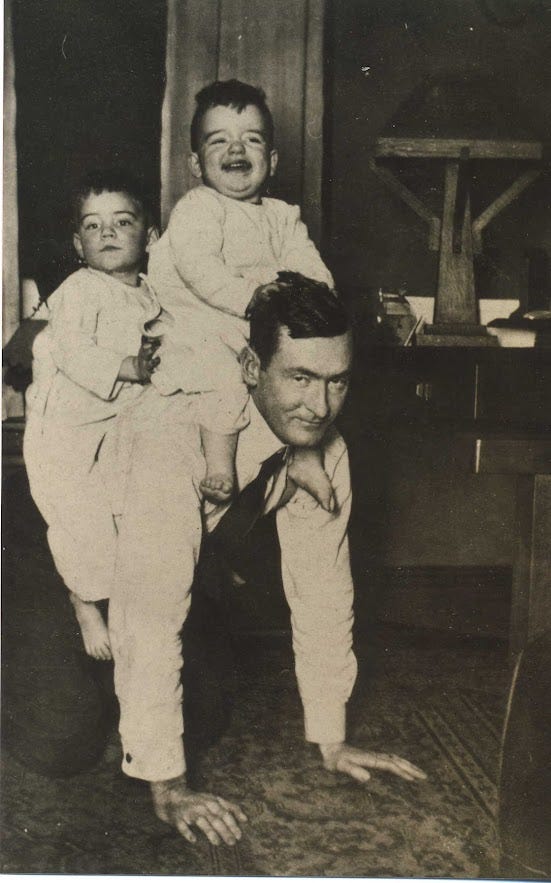
My Father was famously gregarious, easy going, goofy. But looking back I am remembering fondly some profound life lessons

Father’s Day 2026 — Thoughts of my parents are never far away; I lost both of them before I reached my 30th birthday: my father Raymond E. McBride died at age 77 in 1989 ten days before I reached age 30, and my mother died at age 63 in 1986. Both suffered for years from difficulties, especially alcoholism, which eventually killed both of them, but also mental health issues (my mother had depression and likely was bipolar). They had an incredibly tumultuous marriage and, as I tell people, I don’t perseverate on telling people the “tough stuff”; honestly it was harder than you can imagine.
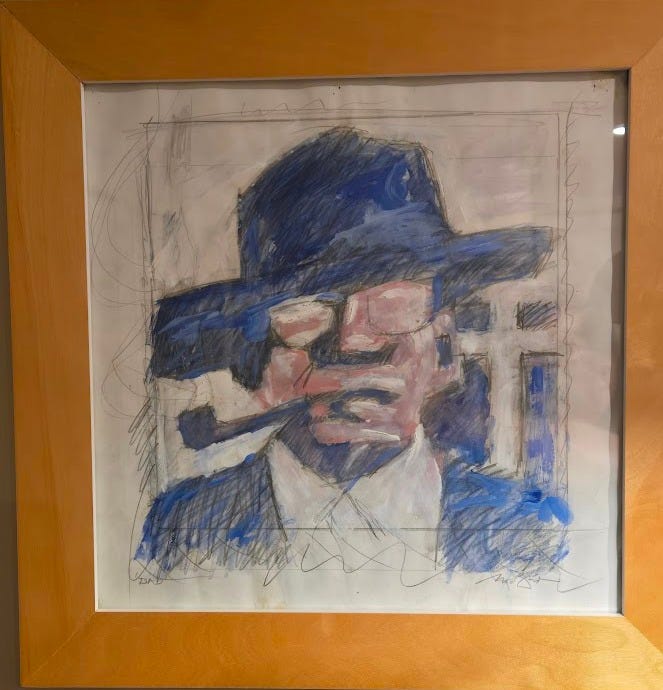
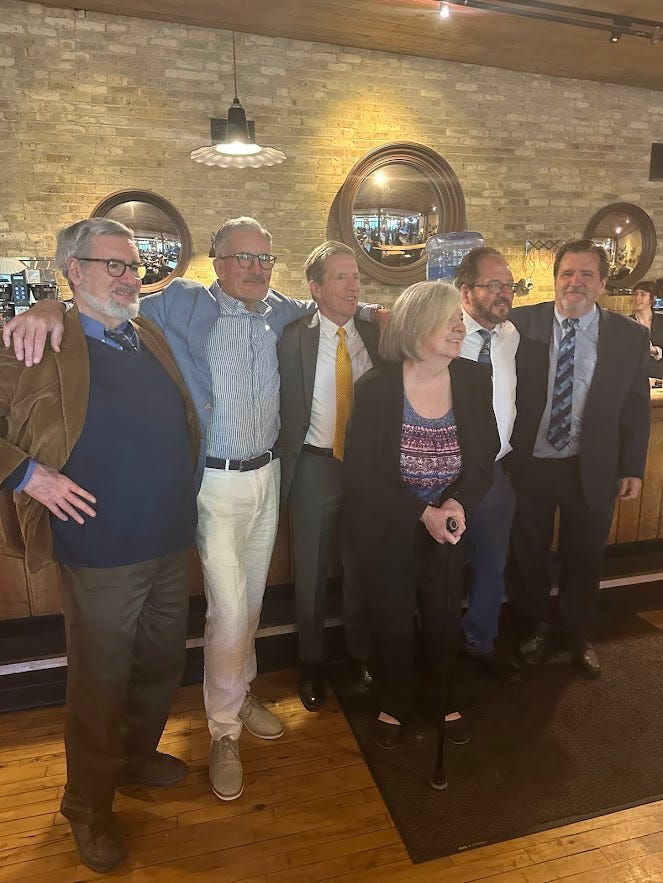
But somehow these brilliant, loving, proud parents turned out incredible children, seven of them, which has led to 17 grandchildren and more than a half dozen great grandchildren. To say they were proud of these children is an incredible understatement, and those who know our family best know, yes, of my parents prominent, award winning roles in journalism in Milwaukee (and across the nation), but our those who know us best are amazed that out of this incredibly dysfunctional house could emerge such gifted and accomplished children that includes four teachers, two lawyers, one doctor, three college professors, award winning writers, authors of dozens of books and hundreds of published articles, an elected Mayor, 17 college and advanced degrees, social justice warriors. (Yes, the seven children did all that and more).
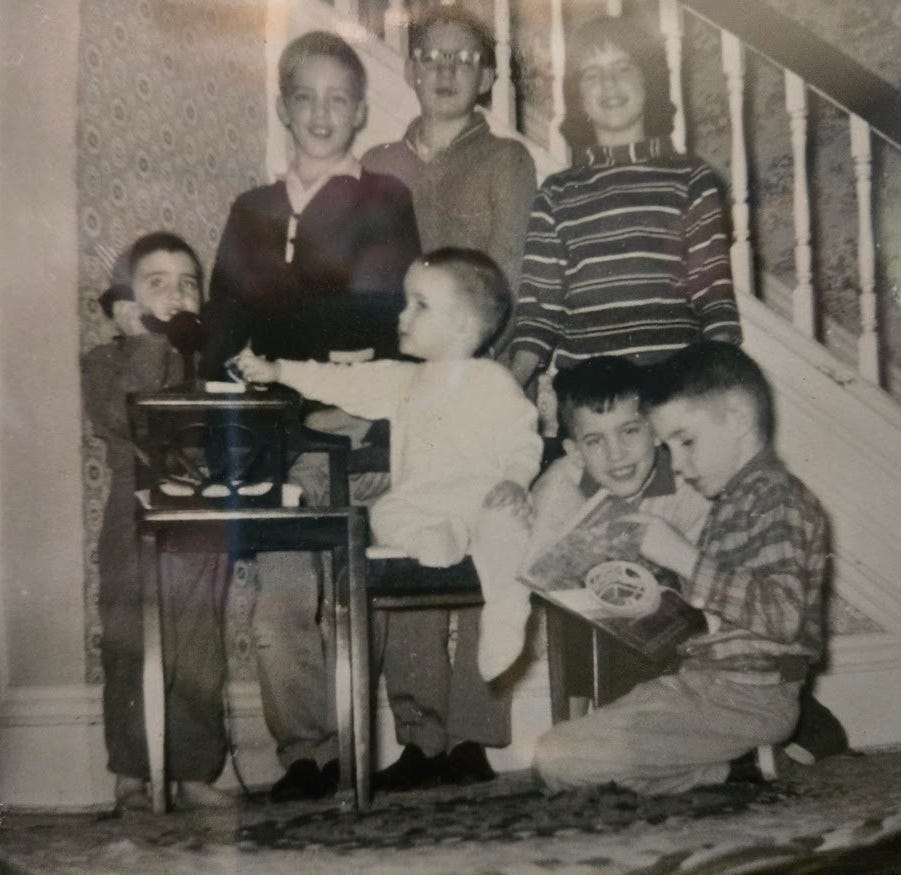
How could these clearly challenged and challenging parents have raised such accomplished children? They who were not good to each other in many ways (they were married for almost 40 years (over 35 years before separating; as Catholics never got divorced). I witnessed incredible emotional (and sometimes physical) trauma they inflicted upon each other, which sometimes led to calls to the police, hospitalization and (in my mother’s case a suicide attempt or two). But yet these seven children persevered. How is that possible? Every one of the seven of us I think turns to the same answer: each other. We had incredibly supportive siblings who supported each other, especially when my parents were — to be honest — not doing their jobs as parents. Perhaps I benefited the most from that as the youngest of seven who had six great older siblings watching over me, steering me on my life course.
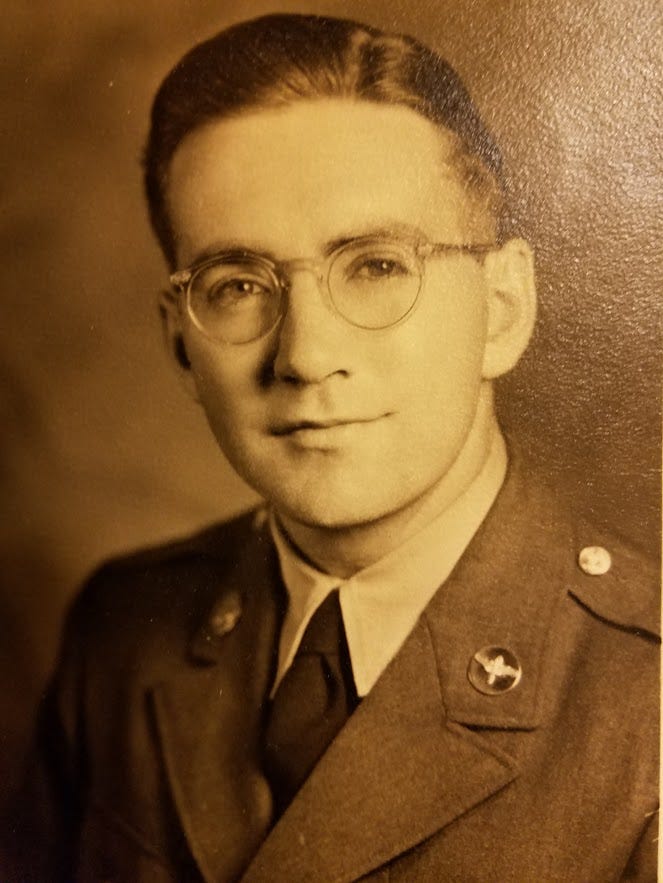
But on Father’s Day I turn back to the role my parents played, especially my father. I have written and spoken often of the role my mother played in guiding my path towards policy work, especially since she was likely the most brilliant person I ever met. But that understates the importance of my father, a World War II veteran. He graduated from high school at age 16 and got a job as a reporter in Milwaukee, never having graduated from a University.
As always, for those who know me, I turn to some stories to illustrate the role a father can play. It is by example, through love and nurturing, sometimes tough love, and by always being proud and supportive.
My father was an award-winning journalist, who long wrote an extremely popular column for the Milwaukee Journal called ALL IN THE FAMILY (long before the show became popular) about raising seven children. The folksy 200-300 word essays were a must-read for many in Milwaukee for their humor, their warmth, their life lessons, sometimes sneaking in his comments on the social issues of the time (especially civil rights).
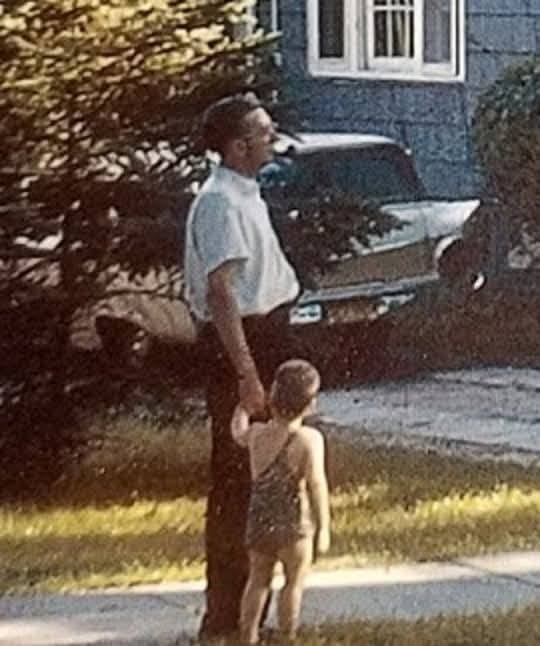
My father was an award-winning journalist, who long wrote an extremely popular column for the Milwaukee Journal called ALL IN THE FAMILY (long before the show became popular) about raising seven children. The folksy 200-300 word essays were a must-read for many in Milwaukee for their humor, their warmth, their life lessons, sometimes sneaking in his comments on the social issues of the time (especially civil rights).
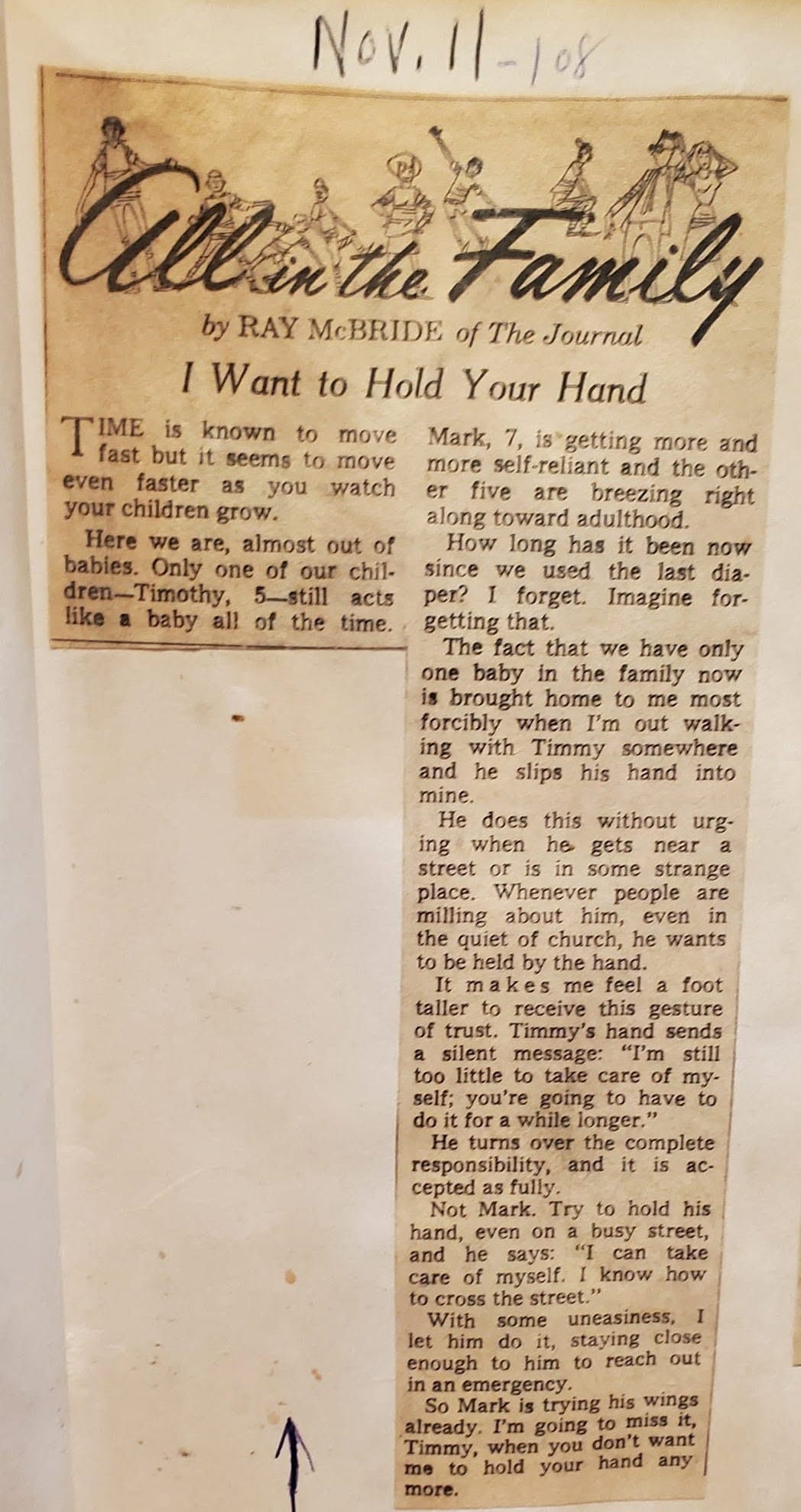
But as I remember the many life lessons my father taught me, I often turn to three important stories.
First, because both my parents worked (at a time when most mothers did not, the early 1960s), and because my parents were so social justice oriented they insisted on hiring black women to care for us while they worked who were from Milwaukee’s “inner city”. This third parent became so important to us. I realized later my parents also wanted to expose us to others not like us, so these caregivers could teach us their life lessons, but also of such important issues as racism, poverty, and more. One story among may stick in my head about my father more than others. Though of course our caregivers got paid and were very much loved, my father (probably my mother too) insisted on buying an entire Thanksgiving dinner for their family. And he always insisted on making sure that one of us (maybe a couple of us, Mark and I probably) drove with him to deliver the entire car full of food from our full house to their house. Ironically though our house would inevitably break out later into alcoholic dysfunction, this event would stick in my mind as gift of kindness. I will never forget how much these families appreciated this gift and the long drive we took from our privileged suburb to their house, and how important it was to always think of others.
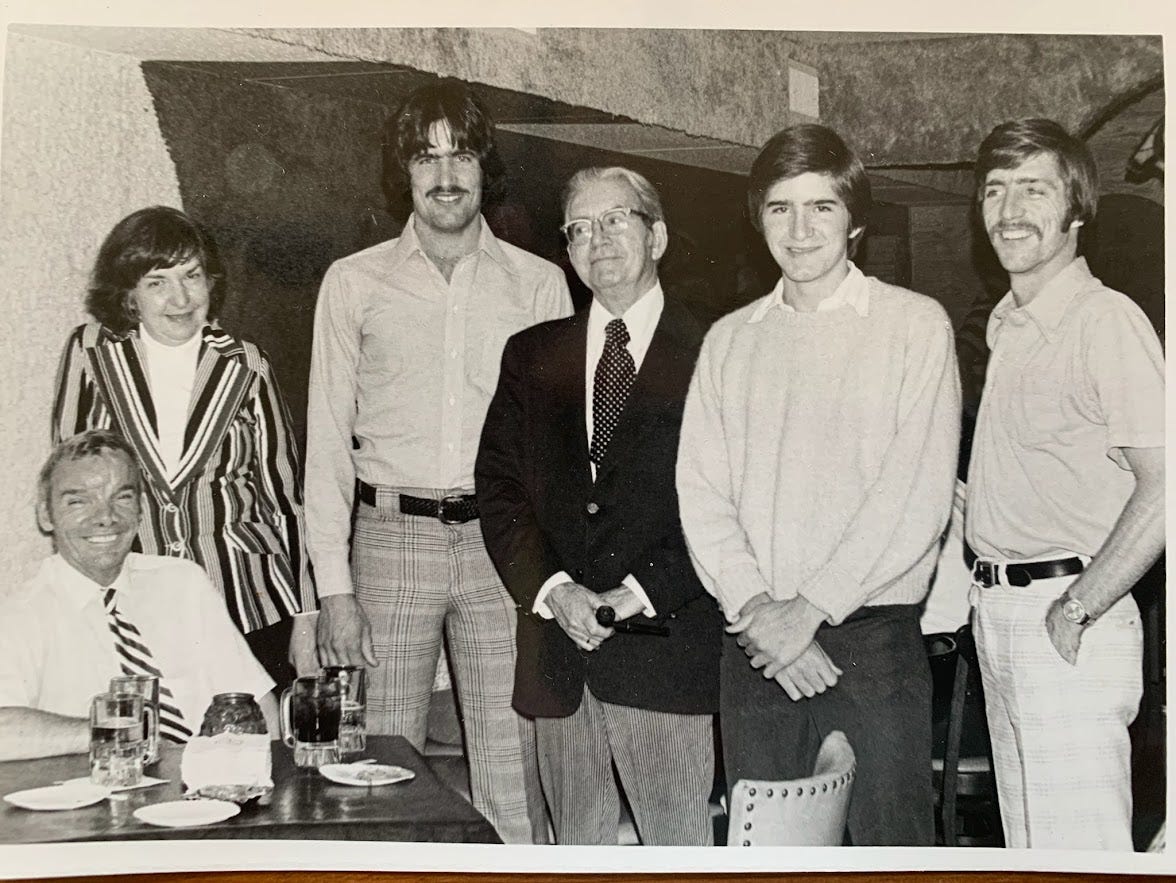
Second, later when I was in high school, my mother’s illnesses really struck her hard. She likely spent more than half a year in the hospital most of my high school years with depression, or more. She was put in in psychiatric unit, suffering from mental health disorders, alcoholism, epilepsy and more. Once we think she tried to commit suicide. I began to see my father as sort of a hero. Every single day of the week — despite how my parents fought all the time — this is what he would do. He would wake about 430 am and get ready for the early shift at work, making sure the 4-5 kids still at home were OK. Then he would go to work. After that he would visit my mother at the hospital, daily. On the way home he would stop at the grocery store and buy food (yes, every day — we had six boys all growing), come home and make sure food was on the table (and he was a terrible cook, honestly). Finished with all that, he would sit in his chair, unwind (usually with port wine), and do it all over again the next day. Even as a teenager I was struck by how heroic my father was through this.
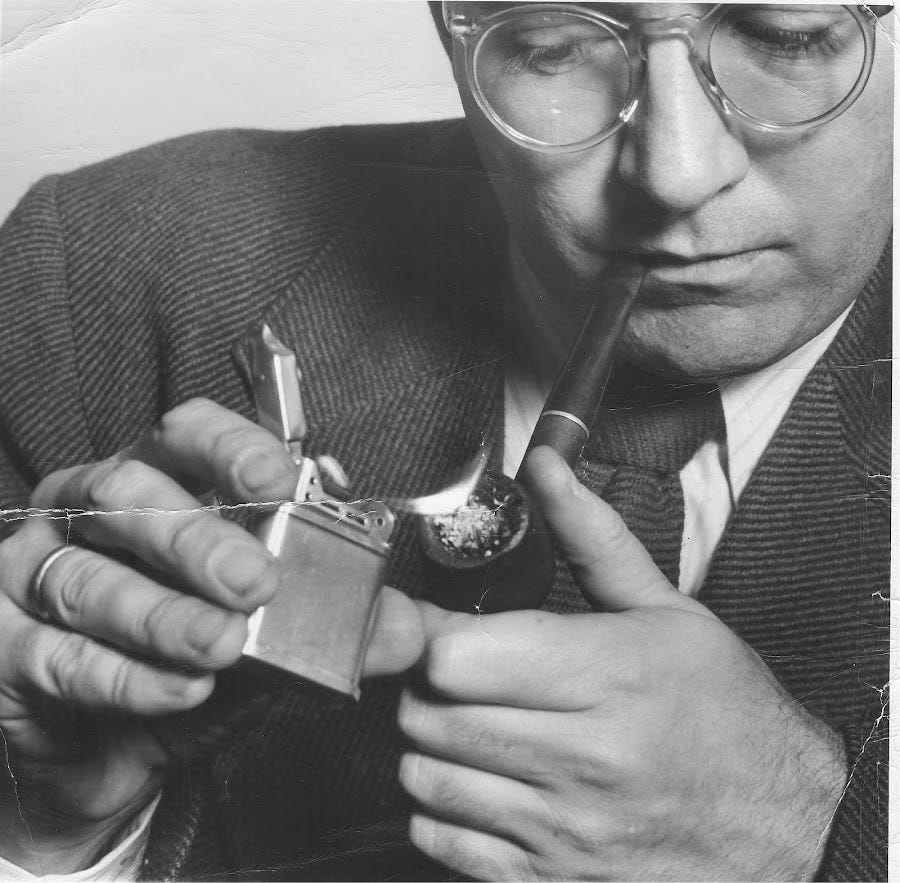
My final story is about a life lesson my father taught which likely changed my life course more profoundly in many ways I did not realize at the time. All of us were gifted in journalism (my parents both as reporters). At least three of us eventually had jobs as journalists. When I was in college I managed to get a job in the sports department under the great Sports Editor Bill Dwyre, and eventually I was promoted to a sportswriter before I graduated from college, I think at age 19. This was of course a heady experience, and I loved the job honestly. Perhaps I was likely on the path to become a journalist and my father saw it.
One day I went to visit my father to borrow his car and we had a conversation.
“Timmy, so like being a reporter?”
“Yes, Dad, I do, I am really enjoying it.”
Eventually he said this. “Well, Timmy, I don’t think you have what it takes to be a reporter.”
Imagine how I took that message from the father I looked up to. How could I have failed him? How could I not be good enough? Or, angrily, how could he say that to me when I just had completed some great bylined stories? Certainly it was a tough message.
I realized later what this was about, or what I think it was about. My father saw in me more potential than maybe what I saw in myself at the time. He saw great skills I had and wanted me to nurture them. He also worried about the future path of journalism (and he was prescient about that!) and knew it was likely not a good career path. My father, though gregarious and easy going was also always rebellious at heart and did “not like bosses” so always refused to get promoted to be an editor which would have increased his stature and pay. In me, he knew I had math skills and saw that as a future path that would be more rewarding and lucrative. I could not imagine then getting a PhD in economics, and I am sure he did not imagine that either. I could not imagine becoming an endowed professor at a prestigious university, but it happened. So whether he knew it or not, my father may have been the most important person setting on a life source that led me to places I never would have imagined. I know now what a gift that is.
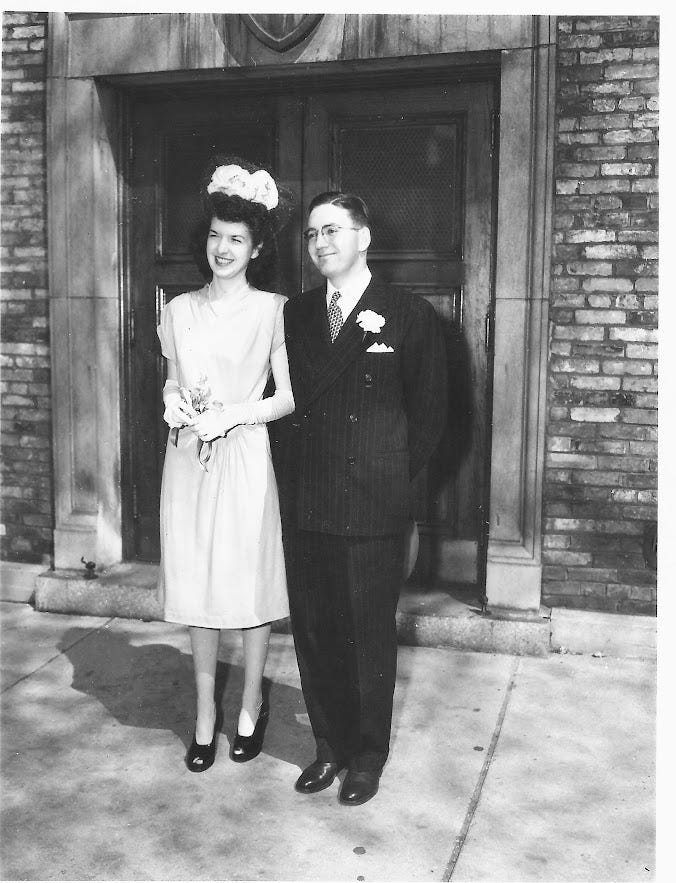
Years later, when my father attended my wedding in April 1989 he was as usual emotional at the wedding. Afterward, when he met with us, he was surprisingly quiet. One of turned to him and asked, “Dad you are quiet. What’s up?” He said with a calm demeanor, “I am fine. My job is done. Timmy is married.” Six months later he passed away.
Years later, when I struggled the most with being a young father, with all that brought on… financial struggles, raising young children, career challenges, and more, I remember one day I was worried about something as I was driving around. I remember feeling sorry for myself. Why was it that I lost my parents before I was 30 years old? Why can’t I call my mother or father for advice now, for money or support? Why is it that others have that, and I do not? Life is unfair, I thought. I often thought of the gifts my mother gave me guiding my career. But that that moment my thoughts turned to my father.
What would he say if I called him? He was famous for pulling up phrases to get you through.
“This too will pass”
“Take it easy in your first enlistment” and more.
Suddenly a cloud was lifted. I realized my parents are with me, will always be with me. In my head, always a second away as needed.
***